
Ant Control in QC
Pest control services
MORE INFORMATION
- E2Y Pest Control & AC Cleaning Services
- admin@e2ypestcontrol.com
- 09681988642
E2Y Pest Control Services is the Ultimate Ant Control Strategy in Quezon City
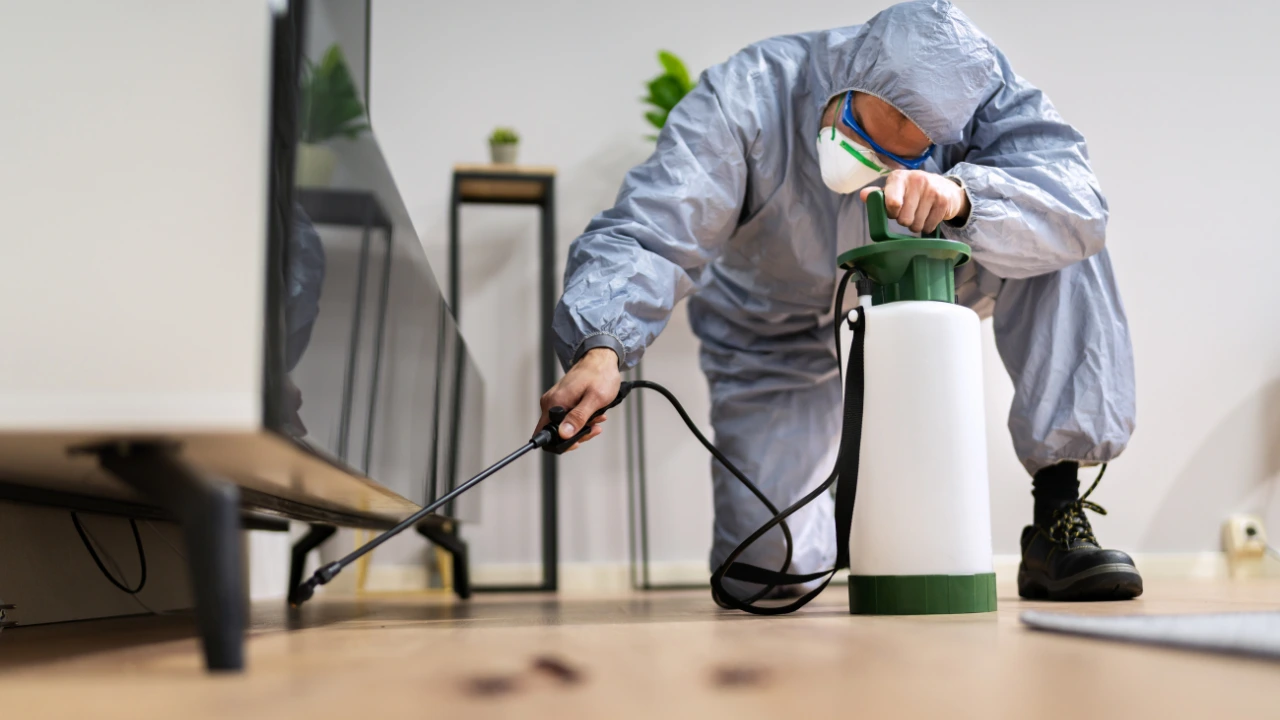
Introduction: Why Ants Keep Coming Back
You kill a line of ants on the kitchen counter. You wipe them up, spray them with cleaner, and feel victorious. Yet, 24 hours later, a new line appears. Why?
The answer is simple: You are only killing the scouts and workers. The colony—with its queen and thousands of eggs—remains hidden deep inside your walls, under your foundation, or in your yard. To achieve true ant control, you need a two-pronged strategy: gel baits to destroy the colony from within, and Sprays to create immediate barriers and knock down visible trails.
This guide explains how to combine these two tools for complete, long-term ant elimination.
Part 1: Gel Baits – The Silent Colony Killer
Gel baits are the single most effective tool for ant control. Unlike sprays that kill on contact, baits are designed to be carried back to the nest.
How Gel Baits Work
A gel bait consists of three components:
1. Attractant: A sweet, protein-based, or grease-based food source that ants love.
2. Slow-Acting Insecticide: A poison that does not kill immediately.
3.Gel Matrix: A moisture-rich substance that keeps the bait appetizing for days.
When a worker ant finds the gel, she does not eat it all herself. Instead, she consumes a small amount and returns to the nest. There, she regurgitates the food to feed the queen, the larvae, and the other workers. This process is called trophallaxis.
Because the poison is slow-acting, the ant reaches the nest before dying. The queen consumes the poisoned food and stops laying eggs. The larvae die. Within 3 to 7 days, the entire colony collapses—often numbering in the thousands.
Choosing the Right Gel Bait
Ants have changing dietary preferences. In spring and summer, they crave sugars. In fall and winter, they want proteins and fats. For best results:
– Use a sweet-based gel (like Terro or Advion) for sugar-feeding ants (odorous house ants, pavement ants, ghost ants).
– Use a protein-based gel (like Maxforce Quantum) for grease-feeding ants ( Pharaoh ants, some carpenter ants).
Pro Tip: If one gel bait is ignored after 48 hours, switch to the other type. Ants will tell you what they want.
How to Apply Gel Baits for Maximum Effect
1. Do NOT spray first. Cleaning or spraying repellants near the bait will contaminate it.
2. Place small drops. Use pea-sized drops every 3–4 feet along ant trails, near baseboards, behind appliances, and close to nest entrances.
3. Avoid direct sunlight and water. Gel dries out quickly outdoors. Refresh every 2–3 days.
4. Be patient. Do not kill the ants you see. Let them feed and return home. It takes 3–10 days to eliminate a colony.
Part 2: Sprays – The Immediate Barrier
While gel baits work slowly to destroy the colony, you need immediate relief. This is where **sprays** come in.
Two Types of Ant Sprays
Not all sprays are created equal. You need both types for complete ant control.
1. Contact Sprays (Instant Kill)
These sprays (usually pyrethrin-based) kill ants on contact. They are perfect for:
– Wiping out a visible trail that is walking across your counter right now
– Creating a “hot spot” kill zone.
– Use only as a spot treatment.
Caution: Do not use contact sprays near gel baits. The smell and residue will repel ants from the bait.
2. Residual Barrier Sprays (Long-Term Protection)
These sprays (like cypermethrin, bifenthrin, or deltamethrin) leave a dry, invisible film that kills ants for weeks or months. They are designed for:
– Perimeter treatment: Spray a 6-inch vertical band on your foundation and a 6-inch horizontal band on the ground.
– Entry points: Spray door thresholds, window sills, and pipe entry points.
– Baseboards: Spray along interior walls where ants travel.
Residual sprays do not kill instantly, but they create a barrier that ants cannot cross. When they walk over the dried spray, the poison absorbs through their feet, killing them within hours.
OUR Perfect Two-Step Ant Control Protocol in QC
Follow this sequence to eliminate ants permanently:
Step 1: Observe and Identify (Day 1)
Do not spray anything yet. Watch where the ants are coming from. Identify the trail. Is there a nest inside (wet wood, wall void) or outside (mound in yard)?
Step 2: Apply Gel Baits First (Day 1)
Place gel bait drops directly on the ant trail. Do not disturb the ants. Let them feed. Place additional drops near suspected entry points. Wait 3–5 days. During this time, the colony is feeding and dying. You may see more ants initially—this is good. It means the bait is working.
Step 3: Apply Interior Residual Spray (Day 5)
After the bait has done its work (ant traffic should be significantly reduced), apply a residual spray along baseboards, under appliances, and around window frames. This kills any remaining stragglers and prevents new trails from forming.
Step 4: Apply Exterior Barrier Spray (Day 5)
Spray a 10-foot band around your home’s foundation. Treat door thresholds, garage seals, and weep holes. This creates a chemical moat that stops outdoor colonies from marching inside.
Step 5: Sanitize (Ongoing)
Wipe down counters with vinegar or soapy water to remove existing pheromone trails. Seal cracks in foundation and caulk window frames.
Common Mistakes to Avoid
– Mistake #1: Using sprays and baits in the same spot. The spray repels ants from the bait. Keep them separated by at least 3 feet.
– Mistake #2: Killing the ants you see. Those workers are your delivery system to the queen. Let them live long enough to carry the bait home.
– Mistake #3: Using only outdoor sprays. If the nest is inside your walls, perimeter sprays will not help.
– Mistake #4: Giving up after 2 days. Colony elimination takes 7–14 days. Be consistent.
Call E2Y Pest Control Services for Professional Ant Control in Quezon City
If you have tried both gel baits and sprays for 2 weeks with no reduction in ant activity, you may have:
- – A massive supercolony (common with Argentine ants).
- – Carpenter ants causing structural damage.
- – Pharaoh ants (which actually spread if sprayed with repellants).
In these cases, a professional pest control operator can use advanced gel bait formulations and insect growth regulators (IGRs) that professional sprays contain.
Conclusion: Baits + Sprays = Total Ant Control
You cannot win the war against ants with a single weapon. **Gel baits destroy the colony** by poisoning the queen and larvae. Sprays provide immediate relief and long-term barriers to stop new invasions.
Your action plan:
1. Apply gel baits on trails. Wait 5 days.
2. Apply residual spray around the perimeter and baseboards.
3. Sanitize surfaces to erase pheromone trails.
4. Refresh baits every 3 days until ants disappear.
Stop wasting money on aerosol foggers and surface cleaners. Use science-based ant control: gel baits plus sprays. Your kitchen will be ant-free—for good.
Disclaimer: Always read and follow product labels. Keep baits and sprays away from children and pets. Use baits in tamper-resistant stations if pets are present.