
Rodent Control in QC
Pest control services
MORE INFORMATION
- E2Y Pest Control & AC Cleaning Services
- admin@e2ypestcontrol.com
- 09681988642
Rodent Control Quezon City: Eliminate Dangerous Rats Fast with E2Y Pest Control Services
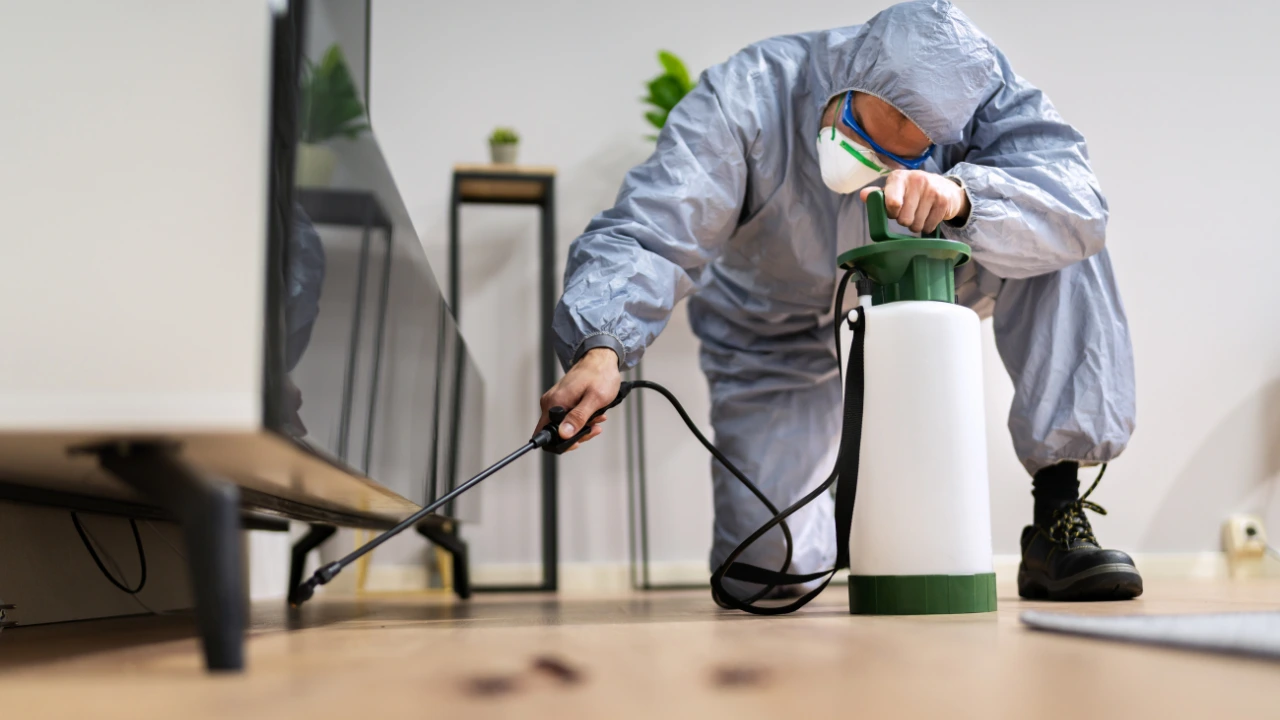
Scratching Ceilings. Gnawed Wires. Contaminated Food. It’s Time to Take Your Home Back from Rats.
The sound is unmistakable. That faint scratching, scurrying, or squeaking coming from above your ceiling in the dead of night. You freeze. You listen. And then it happens again—tiny claws scrambling across your ceiling gypsum board, directly above where your family sleeps. It’s enough to make your skin crawl. But rats are far more than a creepy nuisance. They are disease vectors, property destroyers, and a direct fire hazard. In the dense urban landscape of Quezon City, where aging drainage systems, wet markets, and garbage accumulation points create rat superhighways, a professional rat control strategy isn’t optional—it’s urgent. E2Y Pest Control is QC’s trusted rapid-response unit for evicting these filthy intruders permanently.
The Unseen Danger: Why Your Rats Demand Immediate Action
Rats live in a constant state of gnawing. Their front incisors never stop growing, which means they must chew relentlessly to file them down. In your QC home or commercial space, this translates to:
– Electrical Fire Hazard: Studies show that rodents are a leading cause of undetermined house fires. They strip the insulation off electrical wiring in your attic, exposing the live copper. A single spark in a dust-filled ceiling void can be catastrophic.
– Disease Transmission: The Norway rat (Rattus norvegicus) and the roof rat (Rattus rattus) are walking biological hazards. They carry bacteria that cause leptospirosis—a deadly disease transmitted through their urine that surges in Metro Manila during the rainy season when floodwaters mix with rodent urine. Their droppings can spread Salmonellosis, and their fleas historically carried the bubonic plague.
– Structural & Plumbing Damage: Rats can chew through PVC water pipes, creating slow, hidden leaks that rot your ceiling and walls. They gnaw through soft concrete, wooden door jambs, and even soft metals like lead and aluminum flashing.
– Food Contamination: A single rat can contaminate ten times the amount of food it eats through droppings, urine, and hair. For restaurant owners in the Tomas Morato or Maginhawa food hubs, a rodent sighting by a customer is a one-star review and a potential health code shutdown waiting to happen.
Why DIY Rat Control Often Fails in QC
When homeowners encounter a rat problem, the instinct is to run to the hardware store for snap traps and poison blocks. This DIY approach usually results in three disappointing scenarios:
1. The Poisoned Wall Corpse: The rat eats the poison block, crawls into an inaccessible wall void or ceiling crevice, and dies. The resulting putrid odor of decomposing rodents then permeates your bedroom for two to four weeks. The stench is unbearable, and the only fix is cutting open the wall to physically remove the carcass.
2. Trap Shyness: Norway rats are incredibly intelligent and neophobic (fearful of new objects). You set a snap trap in their path. They smell your human scent on it, skirt around it for three days to see if it’s dangerous, and then your cheese bait simply rots. The rat colony lives on.
3. Population Explosion: You catch one or two rats, feel victorious, and stop. Meanwhile, a female rat can birth 5 to 12 pups per litter, and have up to 6 litters per year. Mathematically, a pair of rats can theoretically multiply into 1,250 descendants in a single year if conditions are right.
Effective rat control requires understanding rodent behavior, psychology, and biology—not just setting a trap and hoping for the best.
The E2Y Pest Control 5-Step Rat Control System in Quezon City
We don’t just kill rats. We create an environment where they cannot survive, breed, or return. Our integrated rat control methodology has been battle-tested across thousands of QC homes, from cramped condo units to sprawling ancestral houses.
Step 1: The Comprehensive Rodent Audit
Our licensed technician arrives and begins by thinking like a rat. We don’t just look at the floor; we look up, down, and through. Roof rats are arboreal. They enter from overhead power lines, tree branches touching the roof, or climbing rough-textured walls.
– Finding Entry Points: We search for gaps as small as a thumb. A rat can collapse its ribcage and squeeze through a hole the size of a ₱5 coin. We check where utility cables enter, roof-soffit intersections, attic vents without mesh, and gaps around air conditioner pipes.
– Mapping Traffic: We look for **rub marks**—dark, greasy smudges along walls and beams left by the oils in rat fur repeated along the same travel path. Droppings tell us the species (blunt ends for Norway rats, pointed ends for Roof rats) and how recently they were there.
– Sound Tracking: We identify the “hot zone” where scratching peaks, usually at dusk and dawn, when rats are most active.
Step 2: Rat-Proofing & Exclusion (The Permanent Fix)
This is the most critical step that separates E2Y Pest Control from every other spray-and-go service. If we don’t close the door, new rats will simply move in a week after we kill the current ones.
– We seal small structural gaps with professional-grade stainless steel copper mesh and industrial polyurethane sealant. Rodents cannot chew through copper mesh; their teeth slide off.
– For large gaps in soffits or vent openings, we install heavy-gauge galvanized hardware cloth (wire mesh).
– We fix warped door sweeps and install heavy-duty rubber gaskets under garage doors. We trim tree branches that overhang your roof, cutting the natural bridge from the ground to your attic.
Step 3: Strategic Exterior Baiting & Perimeter Defense
The front line of defense should be the perimeter, not the bedroom. We establish a curtain of rodenticide protection around your property exterior using tamper-resistant bait stations.
– These lockable, black plastic boxes are strategically placed along fence lines, near garbage storage, behind bushes, and beside the garage. They are inaccessible to children, dogs, and curious cats.
– Inside the station, we place a paraffined bait block. Unlike loose grain pellets that can spill, these blocks are secured on a stainless steel rod. The rat gnaws the block, dies typically within 3-5 days, and the anticoagulant mode of action means they do not die inside your home. They often retreat to their nest and expire there or die in an open area. Crucially, there is no secondary poisoning risk of a cat eating the bait block directly.
Step 4: Interior Tactical Trapping (Low-Risk Removal)
Inside the home or business, we are highly selective. We avoid placing toxic rodenticides inside ceiling voids or kitchens in most scenarios.
– Snap Trap Deployment: We use high-tension, professional-grade snap traps baited with attractants that rats cannot resist—chocolate spread, peanut butter mixed with oats, or nesting material like cotton balls during breeding season. We set them along identified runways against walls, not out in the open, because rats run their whiskers along walls to navigate.
– Glue Board Monitoring: In heavy commercial kitchen settings where snap traps are impractical, we place oversized glue boards inside tamper-proof plastic monitoring stations. This captures juveniles and provides surveillance data on population direction.
– No-Poison Interiors Guarantee: We never leave loose poison inside your pantry or under your sink where it could contaminate food surfaces.
Step 5: Monitoring, Sanitation Advisory & Follow-Up
Rat control isn’t a one-day event. It requires a strategic cycle.
– Return Visit: We schedule a follow-up visit 7-10 days after the initial service. We remove any carcasses captured in accessible zones, check the level of bait consumption in exterior boxes, and re-fill bait stations. If activity is still noted, we adjust our attack angle.
– Sanitation Guidance: We walk through your property and point out the rat “attractants,” such as open garbage bags on the side of the house, fallen fruit from the mango tree in your backyard, pet food in an open bowl left out overnight, and bird seed scattered on the balcony. These simple hygiene issues often sustain a rat colony more than any interior food source.
The Best Rat Control Across All QC Property Types
E2Y Pest Control has tailored solutions for every environment in Quezon City.
– Residential Homes & Condos: We treat ceiling voids, attics, and kitchens, with particular focus on neighborhoods near creeks like Creekside, Blue Ridge, and parts of Katipunan where rats follow the waterway banks.
– Restaurants & Food Establishments: The QC Health Department regulations for food safety are strict. We provide a rodent logbook, a formalized documentation binder with dated service reports, bait station schematic maps, and corrective action reports. During a surprise inspection, you simply hand the inspector the binder, proving active, professional rat control management.
– Warehouses & Bodegas: Rats love stacked cardboard boxes in quiet, dark industrial areas along Mindanao Avenue or Commonwealth. We set scheduled perimeter baiting rings and interior trapping lines.
Reclaim the Silence of a Rodent-Free Home.
The sound of silence in your ceiling at 2 AM is one of the most underrated luxuries in Quezon City living. You deserve to store your rice, cereal, and snacks in your pantry without anxiety. You deserve to turn on your air conditioner without worrying that a rat’s nest is smoldering inside the compressor housing due to gnawed wires.
Rats invaded because conditions were favorable. E2Y Pest Control changes those conditions permanently. We combine the mindset of a structural engineer with the tools of a modern pest management professional to deliver a rat control program that doesn’t just stop the noise—it ends the cycle for good.
Book Your Rat Control Inspection & Estimate
We’ll find the entry points, map the traffic, and present a clear, fixed-cost elimination plan.
Call E2Y Pest Control QC:
02 8650 3819
No Scratches. No Droppings. No Rats. That’s the E2Y Pest Control Promise.
Frequently Asked Questions
Q: What if a rat dies in my ceiling after your treatment?
A: Biological decay is our primary concern, which is why our primary methodology is exterior baiting that draws rodents *out* of the structure before they expire. If a rat does expire in an accessible attic space, during the follow-up inspection we can retrieve and deodorize the area. For inaccessible wall voids where a rat might have died from a competing neighbor’s poison, the odor will naturally dissipate in about two weeks as the body desiccates. We can also apply an enzymatic odor neutralizer into the void if accessible.
Q: Is it true that seeing one rat means there are many more?
A: Usually, yes. Rats are social creatures that live in hierarchical colonies. A lone rat spotted casually foraging in daylight is often a desperate, ill rat driven out by the colony, or an explorer from a saturated nest. Either scenario implies the presence of an established group nearby. A professional **rat control** inspection is the only way to confirm the infestation scale.
Q: Can't my cat solve this problem?
A: Domestic cats are hunters, but they are severely outmatched by a breeding colony of Norway or Roof rats. An adult rat can deliver a painful, infectious bite to a cat. Most cats will kill a rat pup or mouse but avoid confronting a large, aggressive adult rat in a confined attic space. Your cat is a friend, not a replacement for professional **rat control** services.